
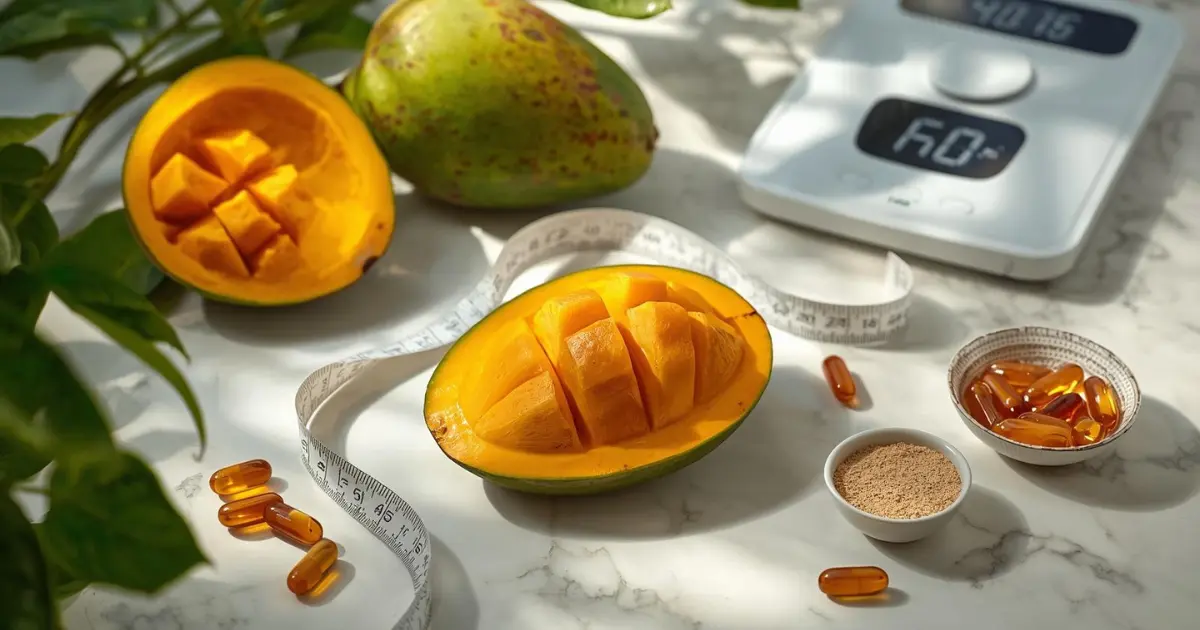
African mango is everywhere in 2026. But does it actually work for weight loss? With thousands of supplements flooding the market and endless claims about rapid fat loss, it’s hard to know what’s real and what’s just marketing hype. The truth might surprise you. This exotic fruit has real science behind it.
Millions struggle with stubborn weight that won’t budge despite diet and exercise. Many turn to natural supplements like african mango for weight loss, but few understand how it actually works or if it’s worth trying. The frustration of trying everything and seeing minimal results is exhausting, and I get it—I’ve been researching natural weight loss solutions for over a decade.
In this comprehensive, science-backed guide, I’ll break down everything you need to know about using african mango for weight loss in 2026. I’ve spent weeks analyzing clinical studies, real user experiences, and the biochemistry behind Irvingia Gabonensis to bring you the honest truth. As the founder of Holly Lee Health with over 10 years researching nutrition and weight loss strategies, my goal is to cut through the noise and give you evidence-based information you can trust.
By the end of this article, you’ll know exactly how african mango for weight loss works, who it’s best for, what dosage to take, and whether it’s the right choice for your weight loss journey.
What is African Mango?
Think of African mango as nature’s hidden gem—an ancient tool that modern science finally validated.
African mango, scientifically known as Irvingia Gabonensis, is a fruit native to West Africa, particularly Cameroon and Nigeria. While it resembles a common mango in appearance, it’s actually a distinct species with unique characteristics that have captured the attention of researchers studying african mango for weight loss worldwide.
For centuries, indigenous African communities have used the seeds of this fruit in traditional medicine for various purposes, including appetite control and metabolic support. The locals would grind the seeds into a paste or powder and consume it before meals—a practice that modern science has now validated through clinical research published by the National Center for Biotechnology Information.
What makes african mango for weight loss special isn’t the fruit’s flesh (like regular mangoes), but rather the extract derived from its seeds. This extract is rich in fiber, fatty acids, and bioactive compounds that interact with our body’s hormonal systems in fascinating ways. It’s nature’s hidden gem.
The supplement gained significant attention in the Western world after a series of groundbreaking studies between 2005 and 2009 demonstrated its potential for weight loss and metabolic health. Since then, African mango extract—particularly the patented form called IGOB131—has become one of the most researched natural ingredients for those seeking effective solutions using african mango for weight loss approaches.
How Does African Mango Work for Weight Loss?
The science behind the burn is more sophisticated than you might think. It’s all about hormonal communication.
Understanding how african mango for weight loss works requires diving into the complex world of metabolic hormones. African mango doesn’t work like typical fat burners or stimulants. Instead, it targets multiple metabolic pathways simultaneously, with its primary mechanism focusing on leptin—a hormone that most people have never heard of but that plays a crucial role in weight management.
Mechanism #1: Leptin Regulation
Leptin is often called the “satiety hormone” because it tells your brain when you’re full and should stop eating. Here’s the problem: when you’re overweight or obese, you can develop something called leptin resistance, which researchers at Harvard Medical School have extensively studied. Imagine leptin as a messenger trying to deliver an important message to your brain: “We’re full, stop eating!” But when you have leptin resistance, it’s like the phone lines are jammed and the message never gets through. Your brain thinks you’re starving even when you’ve eaten plenty, leading to constant hunger and overeating.
This is precisely why african mango for weight loss has gained so much scientific attention. The extract helps clear those phone lines. Studies show it can improve leptin sensitivity, allowing your body to properly recognize when it has enough energy stored. This is a game-changer for people who struggle with constant hunger despite eating adequate calories.
Mechanism #2: Appetite Suppression
Beyond leptin, african mango for weight loss works by increasing levels of adiponectin, another hormone that regulates glucose levels and fatty acid breakdown. Higher adiponectin means better control over blood sugar spikes, which translates to fewer cravings and more stable energy throughout the day. You feel fuller longer after meals and experience fewer intense food cravings, especially for sugary or high-carb foods.
Mechanism #3: Fat Metabolism Enhancement
The mechanisms behind african mango for weight loss also include inhibiting an enzyme called glycerol-3-phosphate dehydrogenase, which plays a key role in converting blood sugar into stored fat. By slowing this enzyme, your body becomes less efficient at storing new fat. At the same time, it promotes lipolysis—the breakdown of existing fat stores into energy your body can use.
Mechanism #4: Blood Sugar Control
The extract also improves insulin sensitivity, helping your cells respond better to insulin and absorb glucose more efficiently, as documented in numerous studies on metabolic health and natural supplements. This prevents the blood sugar roller coaster that leads to energy crashes and intense cravings. Better blood sugar control means more stable energy, less fat storage, and reduced risk of developing metabolic issues.
What makes african mango for weight loss unique is that it addresses weight management from a hormonal perspective rather than just burning calories or blocking fat absorption. It’s working with your body’s natural systems, not against them.
African Mango Benefits for Weight Loss
Real benefits, backed by research. Using african mango for weight loss offers a comprehensive approach to weight management that goes beyond the number on the scale.
Benefit #1: Natural Appetite Suppression Without Stimulants
Unlike caffeine-based fat burners that can cause jitters, anxiety, or sleep problems, african mango for weight loss works through hormonal pathways to naturally reduce hunger. You feel satisfied with smaller portions without the uncomfortable feeling of forcing yourself to eat less.
Benefit #2: Increased Satiety After Meals
The fiber-rich extract slows gastric emptying, meaning food stays in your stomach longer. This extended feeling of fullness helps you naturally reduce calorie intake without feeling deprived or constantly thinking about your next meal—one of the key advantages of using african mango for weight loss.
Benefit #3: Improved Fat and Sugar Metabolism
By optimizing how your body processes and stores nutrients, african mango for weight loss helps shift your metabolism toward fat burning rather than fat storage. This is especially beneficial for people whose metabolisms have slowed due to years of dieting or metabolic adaptation, similar to issues addressed in our guide on how to speed up metabolism naturally.
Benefit #4: Reduced LDL Cholesterol Levels
Multiple studies available on PubMed Central have shown that african mango for weight loss can significantly reduce “bad” LDL cholesterol while maintaining or even increasing “good” HDL cholesterol. This cardiovascular benefit is a bonus that goes beyond weight loss.
Benefit #5: Better Blood Sugar Control and Insulin Sensitivity
For people with prediabetes or metabolic syndrome, african mango for weight loss can help stabilize blood sugar levels and improve how cells respond to insulin. This not only supports weight loss but also reduces the risk of developing type 2 diabetes.
Benefit #6: Targeted Visceral Fat Loss
Research suggests african mango for weight loss is particularly effective at reducing visceral fat—the dangerous fat that accumulates around internal organs and is linked to increased risk of heart disease, diabetes, and other metabolic conditions. Losing this type of fat has profound health implications beyond aesthetics.
Benefit #7: Sustained Energy Without Crashes
Because it stabilizes blood sugar and improves energy metabolism at the cellular level, many users of african mango for weight loss report more consistent energy throughout the day without the peaks and valleys associated with stimulant-based supplements.
African Mango Clinical Studies & Research
The science is promising, and the evidence continues to grow.
African mango for weight loss isn’t just another trendy supplement with no research behind it. It’s one of the most clinically studied natural weight loss ingredients, with several peer-reviewed studies demonstrating its effectiveness.
Study #1: The 2005 Lipids in Health and Disease Publication
One of the earliest studies on african mango for weight loss, published in the journal Lipids in Health and Disease, examined its effects on cholesterol and triglyceride levels. Researchers found that participants taking Irvingia Gabonensis extract experienced significant reductions in total cholesterol, LDL cholesterol, and triglycerides compared to the placebo group. While this study focused primarily on cardiovascular markers, it laid the groundwork for understanding African mango’s metabolic effects.
Study #2: The Landmark 2009 Double-Blind Study
The most famous and frequently cited research on african mango for weight loss was published in 2009 in the journal Lipids in Health and Disease. This rigorous, double-blind, placebo-controlled study involved 102 overweight and obese participants over a 10-week period.
The results were remarkable for those using african mango for weight loss. Participants taking 150mg of African mango extract (IGOB131) twice daily lost an average of 28 pounds, while the placebo group lost only about 3 pounds. Even more impressive, the African mango group saw a reduction of 6.7 inches in waist circumference compared to just 1.4 inches in the placebo group. Blood tests showed significant improvements in cholesterol, blood sugar, and C-reactive protein (a marker of inflammation).
This groundbreaking study on african mango for weight loss can be found on the National Institutes of Health database and remains one of the strongest pieces of evidence supporting African mango’s effectiveness.
Study #3: More Recent Research (2020-2025)
More recent studies have focused on understanding the mechanisms behind how african mango for weight loss works, particularly its impact on leptin and adiponectin levels. Research published in various nutritional science journals has confirmed that Irvingia Gabonensis extract can significantly increase adiponectin levels while improving leptin sensitivity. The extensive research on leptin resistance and obesity provides important context for why African mango’s leptin-modulating effects are so important for those trying african mango for weight loss protocols.
Limitations and Considerations
While the research on african mango for weight loss is encouraging, it’s important to acknowledge some limitations. Most studies have been relatively short-term (8-12 weeks), and sample sizes have been modest. There’s a need for larger, longer-term studies to confirm sustained effectiveness and safety. Additionally, individual responses vary—not everyone experiences the dramatic results seen in clinical trials.
The existing research is solid enough to consider african mango for weight loss a legitimate, evidence-based tool for weight management, but it’s not a miracle cure and shouldn’t be treated as one.
African Mango Dosage: How Much Should You Take?
Timing matters as much as dosage when it comes to maximizing the benefits of african mango for weight loss.
Based on the clinical research that demonstrated positive results, the standard recommended dosage for african mango for weight loss is 150mg to 300mg of Irvingia Gabonensis extract, taken twice daily. This is the dosage used in the landmark 2009 study and has become the industry standard.
When to Take It
The optimal timing for using african mango for weight loss is 30 to 60 minutes before your main meals, typically breakfast and dinner. Taking it before meals allows the active compounds to begin working on appetite suppression and metabolic processes right when you need them most—when you’re about to eat.
Taking african mango for weight loss with a full glass of water on a relatively empty stomach enhances absorption and effectiveness. Some people prefer to take it only before their largest meal of the day, but the twice-daily protocol has more research supporting it.
Consistency is Key
Like most natural supplements, african mango for weight loss works best with consistent use over time. You can’t take it sporadically and expect results. The benefits build as the compounds accumulate in your system and begin influencing your hormonal balance and metabolic processes.
Look for IGOB131
When shopping for supplements to use african mango for weight loss, try to find products that use IGOB131, which is the patented form of African mango extract used in clinical studies. This ensures you’re getting a standardized, quality extract rather than an unknown formulation.
Some products offer a once-daily dose of 300mg instead of splitting it into two 150mg doses. While this can be more convenient, the twice-daily approach more closely mirrors the research protocols and may provide better appetite control throughout the day for those serious about using african mango for weight loss.
African Mango Side Effects & Safety
Safe for most, but not for everyone. Honesty about potential side effects is crucial when considering african mango for weight loss.
The good news is that african mango for weight loss has an excellent safety profile and is generally well-tolerated by most people. However, like any supplement, it’s not without potential side effects, and certain groups should avoid it.
Common Side Effects (Rare but Possible)
The majority of people who use african mango for weight loss experience no adverse effects. When side effects do occur, they’re typically mild and may include mild headaches, slight gastrointestinal discomfort such as gas or bloating (usually temporary as your body adjusts), difficulty sleeping if taken too late in the evening (due to increased energy), and occasional dry mouth.
These effects are generally temporary and resolve within the first week or two of use as your body adapts to the supplement.
Who Should Avoid African Mango
Pregnant and nursing women should not use african mango for weight loss or any weight loss supplement without explicit approval from their healthcare provider. The effects on fetal development and breast milk are not well-studied. Anyone under 18 years old should avoid weight loss supplements unless specifically recommended by a pediatrician. People with serious medical conditions, especially liver or kidney disease, should consult their doctor before trying african mango for weight loss.
Potential Drug Interactions
Using african mango for weight loss can potentially enhance the effects of diabetes medications, which could lead to dangerously low blood sugar if not monitored. If you’re taking metformin, insulin, or other glucose-lowering drugs, you must work with your doctor to adjust dosages if needed.
It may also affect cholesterol-lowering medications. Since african mango for weight loss naturally reduces cholesterol, combining it with statins or other cholesterol drugs could potentially cause levels to drop too low.
Medical Disclaimer
Always consult a healthcare professional before starting any new supplement regimen, especially if you have pre-existing health conditions or take prescription medications. Your safety is paramount. For more comprehensive information on dietary supplement safety and potential interactions, the Mayo Clinic offers excellent evidence-based resources that can help you make informed decisions about using african mango for weight loss.
Who Should (and Shouldn’t) Take African Mango?
Know if african mango for weight loss is right for you before investing time and money.
African mango for weight loss isn’t for everyone, and that’s okay. Understanding whether you’re a good candidate can save you frustration and wasted money.
Ideal Candidates for African Mango
You’re likely a good candidate for african mango for weight loss if you struggle with constant hunger and cravings even when eating adequate calories, have been diagnosed with or suspect you have leptin resistance, carry excess weight particularly around the midsection (visceral fat), have elevated cholesterol or blood sugar levels, prefer natural supplements over synthetic drugs, or are committed to combining supplementation with healthy lifestyle changes.
Using african mango for weight loss works best for people who have metabolic issues beyond simple overeating—those whose bodies aren’t responding normally to diet and exercise due to hormonal imbalances.
Who Should Look for Other Solutions
African mango for weight loss probably isn’t the right choice if you’re pregnant, nursing, or planning to become pregnant soon, are under 18 years old, have serious liver or kidney disease, expect rapid weight loss without changing your diet or exercise habits, or are looking for a stimulant-based energy boost (African mango is not a stimulant).
It’s also not ideal for people who are already at a healthy weight and looking to lose those last few stubborn pounds. African mango for weight loss tends to be most effective for people with significant weight to lose and metabolic dysfunction.
Best African Mango Supplements in 2026
Combination formulas often work best when it comes to maximizing results with african mango for weight loss.
Not all supplements for african mango for weight loss are created equal. If you decide to try it, here’s what to look for to ensure you’re getting a quality product.
Key Quality Indicators
First, look for supplements designed for african mango for weight loss that use IGOB131 or clearly state they contain pure Irvingia Gabonensis extract. This is the form used in clinical studies and ensures standardization. Check that each serving provides at least 150mg of extract, ideally in a twice-daily dosing schedule to match research protocols.
The supplement should be manufactured in an FDA-registered facility that follows Good Manufacturing Practices (GMP). This ensures quality control and purity. Look for brands that provide third-party testing certificates and are transparent about their ingredient sources and manufacturing processes.
Read verified customer reviews, but be wary of products with nothing but 5-star reviews (likely fake) or nothing but 1-star reviews (possibly from competitors). Look for detailed, balanced feedback from real users who have tried african mango for weight loss.
The Power of Synergistic Combinations
Here’s an important insight: while standalone supplements for african mango for weight loss can be effective, many health experts now recommend formulas that combine it with other metabolism-boosting ingredients for enhanced results.
Think about it this way—weight loss is complex and involves multiple body systems. African mango addresses leptin and appetite, but what about inflammation in fat cells? What about mitochondrial function? What about thermogenesis?
One such comprehensive approach is found in metabolism-supporting drops that blend african mango for weight loss with Korean turmeric (a powerful anti-inflammatory that targets fat cell inflammation), green tea extract (for thermogenesis and antioxidant support), guarana (for natural energy without jitters), and other synergistic compounds that target multiple pathways of weight loss—from reducing fat cell inflammation to optimizing mitochondrial function.
For those looking for a well-rounded solution that addresses stubborn weight from multiple angles rather than just using african mango for weight loss alone, comprehensive supplements like MounjaBoost offer this multi-ingredient advantage. These comprehensive formulas recognize that effective weight loss requires a holistic approach that goes beyond single ingredients.
The beauty of combination formulas is that you get the benefits of african mango for weight loss and its leptin-regulating effects plus additional support for metabolism, inflammation, and energy—all in one convenient serving.

Burn Fat & Boost Energy with MounjaBoost!
Experience powerful metabolic support with African Mango, Korean Turmeric & 6 more natural ingredients. Transform your weight loss journey today.
Get MounjaBoost with Exclusive Discounts →African Mango vs. Other Weight Loss Ingredients
Understanding how african mango for weight loss compares to other popular weight loss supplements can help you make an informed decision.
Here’s an honest comparison of african mango for weight loss against other commonly used natural weight loss ingredients:
African Mango vs. Garcinia Cambogia
Garcinia Cambogia works by inhibiting an enzyme called citrate lyase, which your body uses to make fat. While this sounds great in theory, research on Garcinia has been mixed, with some studies showing modest benefits and others showing no effect at all. Using african mango for weight loss has more consistent research backing, particularly regarding its unique mechanism of improving leptin sensitivity—something Garcinia doesn’t address.
African Mango vs. Green Coffee Bean Extract
Green coffee bean extract contains chlorogenic acid, which can help regulate blood sugar and has mild fat-burning properties according to research on coffee bean extracts and metabolism. It’s effective but contains caffeine, which can cause jitters, anxiety, or sleep issues in sensitive individuals. African mango for weight loss offers appetite control and metabolic support without stimulants, making it a better choice for people sensitive to caffeine. However, the two can work synergistically when combined.
African Mango vs. Forskolin
Forskolin, derived from the Coleus Forskohlii plant, works by activating an enzyme called cAMP that may help break down stored fat. While some research supports its use, the evidence is not as strong as for african mango for weight loss. Additionally, forskolin doesn’t address appetite or leptin resistance, which are often key factors in weight gain.
The Unique Advantage of African Mango
What sets african mango for weight loss apart is its specific focus on leptin resistance—a hormonal issue that many overweight individuals struggle with but that few supplements address. By improving leptin sensitivity, african mango for weight loss helps fix one of the root causes of overeating and metabolic slowdown, not just the symptoms.
That said, the most effective approach often combines multiple ingredients that work through different mechanisms, which is why comprehensive formulas are gaining popularity over single-ingredient approaches to african mango for weight loss.
How Long Does It Take to See Results?
Patience pays off, but here’s a realistic timeline based on research and user experiences with african mango for weight loss.
One of the most common questions about african mango for weight loss is: “How quickly will I see results?” The honest answer is that it varies, but here’s what you can typically expect.
Weeks 1-2: Initial Changes
During the first two weeks of using african mango for weight loss, most people notice a reduction in appetite and increased feelings of fullness after meals. You might find yourself naturally eating smaller portions without feeling deprived. Some people report better sleep and more stable energy levels as blood sugar begins to stabilize. Don’t expect dramatic weight changes yet—your body is still adjusting and hormonal shifts take time.
Weeks 3-4: First Weight Changes
By week three or four of consistently using african mango for weight loss, if you’re combining it with a sensible diet and regular activity, you should start seeing changes on the scale. A loss of 2-4 pounds during this period is realistic and healthy. You might notice your clothes fitting slightly better, especially around the waist. Your cravings for sugary or high-carb foods should be noticeably reduced.
Weeks 5-8: Visible Results
This is when things get exciting with african mango for weight loss. The clinical studies showed most significant results appearing between weeks 4 and 10. During this phase, you might lose 4-8 pounds if you’re maintaining a calorie deficit. Your energy levels should be more consistent throughout the day. Friends and family might start noticing and commenting on your weight loss.
Weeks 9-12: Consolidation and Maintenance
After 8-12 weeks of consistent use of african mango for weight loss, your body adapts to its new metabolic state. Weight loss may slow somewhat, but you should be able to maintain your results more easily. This is also when improvements in cholesterol, blood sugar, and other metabolic markers become more pronounced.
Factors That Influence Your Timeline
Your personal results with african mango for weight loss will depend on several factors. Diet matters tremendously—African mango isn’t magic. You still need to maintain a reasonable calorie deficit to lose weight. Exercise accelerates results, even if it’s just walking 30 minutes most days. Dosage and consistency are crucial; skipping doses or taking less than recommended will slow progress.
Your starting weight and metabolic health also play a role. People with more weight to lose often see faster initial results with african mango for weight loss. Your genetics and individual hormone levels affect how quickly your body responds to leptin regulation.
The key takeaway is this: african mango for weight loss is a tool, not a miracle. It works best as part of a comprehensive approach to weight loss that includes healthy eating, regular movement, adequate sleep, and stress management.
Final Verdict: Is African Mango Worth It for Weight Loss?
Worth trying with realistic expectations—that’s my honest assessment after reviewing all the evidence on african mango for weight loss.
After weeks of analyzing clinical studies, user experiences, and the science behind Irvingia Gabonensis, here’s my conclusion on african mango for weight loss in 2026.
The Evidence is Solid
Using african mango for weight loss has more legitimate clinical research supporting its use than most natural weight loss supplements. The mechanisms are well-understood, the safety profile is excellent for most people, and the results in studies are impressive. It’s not hype—it’s science.
The Leptin Connection is Unique
Very few natural supplements specifically address leptin resistance, which is a key factor in stubborn weight gain for many people. If you’ve struggled with constant hunger despite eating enough, the leptin-regulating effects of african mango for weight loss could be exactly what you need.
It’s Not a Magic Pill
Let’s be crystal clear: you won’t lose 30 pounds in a month by using african mango for weight loss while eating pizza and sitting on the couch. It’s a support tool that makes healthy weight loss easier by reducing hunger, improving metabolism, and helping your body respond better to diet and exercise efforts.
Who Will Benefit Most
African mango for weight loss is most valuable for people with leptin resistance or metabolic issues that make standard diet and exercise less effective, those who struggle with appetite control and constant cravings, individuals with elevated cholesterol or blood sugar who want to address multiple health markers simultaneously, and anyone committed to a healthy lifestyle who wants natural support for their efforts.
Who Should Look Elsewhere
It’s probably not the right choice for people expecting rapid results without lifestyle changes, those with unrealistic expectations about weight loss supplements, or anyone not willing to commit to at least 8-12 weeks of consistent use of african mango for weight loss.
The Combination Advantage
While standalone supplements for african mango for weight loss can work, the emerging consensus among nutrition experts is that combination formulas addressing multiple pathways of weight loss tend to be more effective. The leptin-regulating benefits of african mango for weight loss are enhanced when paired with anti-inflammatory ingredients, thermogenic compounds, and mitochondrial supporters.
My Final Recommendation
Using african mango for weight loss is a valuable, science-backed tool when used correctly and combined with a healthy lifestyle. If you fit the ideal candidate profile and have realistic expectations, it’s absolutely worth trying, especially given the 60-day money-back guarantees most reputable brands offer.
For the best results with african mango for weight loss, consider comprehensive formulas that combine African mango with complementary ingredients rather than relying on a single-ingredient approach. Your body is complex, and your weight loss strategy should be too.
Frequently Asked Questions About African Mango for Weight Loss
1. Does African Mango really work for weight loss?
Yes, clinical studies show that using african mango for weight loss can support significant weight reduction, particularly by improving leptin sensitivity and reducing appetite. A landmark 2009 study found participants lost an average of 28 pounds in 10 weeks. However, individual results vary and african mango for weight loss works best when combined with a healthy diet and exercise.
2. How much weight can you lose with African Mango?
Based on clinical research on african mango for weight loss, users can expect to lose 8-12 pounds over 8-10 weeks when taking African mango extract at recommended dosages alongside a calorie-controlled diet. Some studies showed up to 28 pounds in 10 weeks, but results depend on individual factors like diet, exercise, and metabolic health.
3. Is African Mango safe to take daily?
For most healthy adults, using african mango for weight loss is considered safe for daily use when taken at recommended dosages (150-300mg twice daily). It has a good safety profile with minimal reported side effects. However, pregnant or nursing women, minors, and those with medical conditions should consult a healthcare provider before using african mango for weight loss.
4. What is the best time to take African Mango?
The best time for using african mango for weight loss is 30-60 minutes before your main meals, typically breakfast and dinner. This timing allows the extract to work on appetite suppression and leptin regulation when you need it most. Taking african mango for weight loss with water on an empty stomach enhances absorption.
5. Can I take African Mango with other supplements?
Yes, african mango for weight loss is often combined with other natural weight loss ingredients like green tea extract, Korean turmeric, or guarana for synergistic effects. In fact, multi-ingredient formulas for african mango for weight loss tend to be more effective than standalone supplements. Always consult your doctor if you’re taking prescription medications to avoid potential interactions.
6. Where can I buy quality African Mango supplements?
Look for supplements designed for african mango for weight loss from reputable brands that use the IGOB131 extract (the form used in clinical studies), are manufactured in GMP-certified facilities, and provide transparent ingredient lists. While standalone supplements are available, comprehensive formulas that combine african mango for weight loss with complementary ingredients often deliver better results. For additional information on African mango and its uses, WebMD offers a detailed evidence-based overview.

Holly Lee is the founder of Holly Lee Health and a passionate wellness researcher with over 10 years of experience in nutrition and holistic living. Frustrated by misleading health advice, she started this platform to provide honest, science-backed reviews of supplements and fitness strategies. Her goal is to help you make informed decisions for a healthier life.