
Last Updated: January 7, 2026
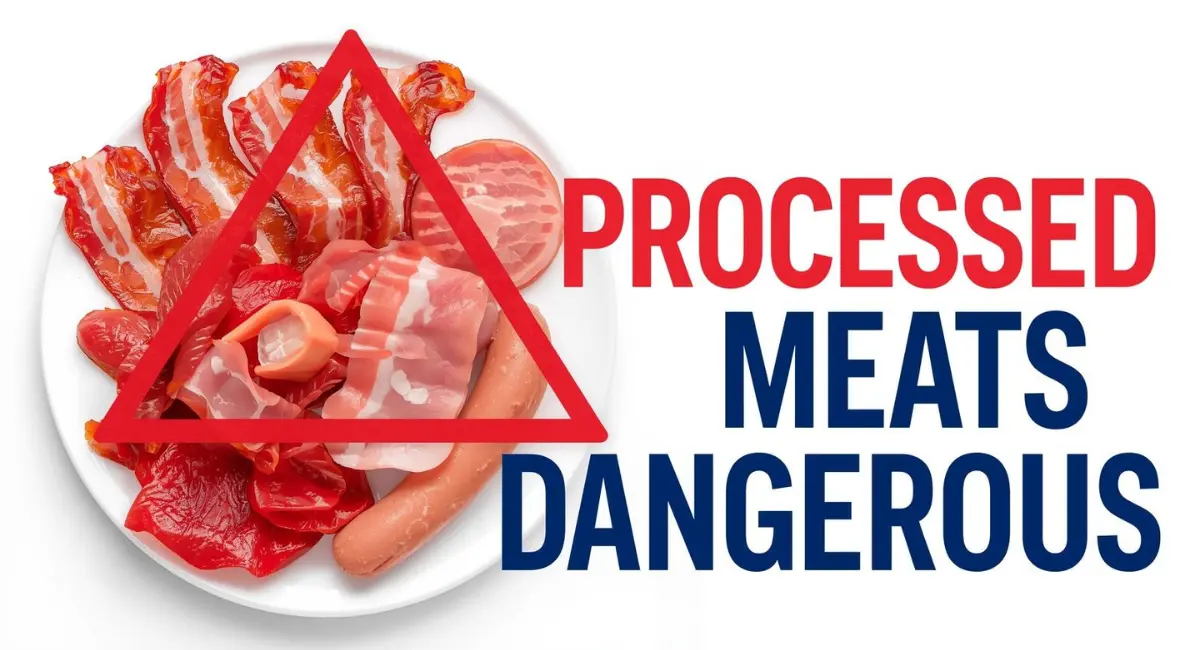
Are processed meats dangerous? The answer is a resounding yes. In 2015, the World Health Organization (WHO) made headlines by classifying processed meats as a Group 1 carcinogen—the same category as tobacco and asbestos. This wasn’t a casual warning; it was a declaration backed by over 800 studies linking processed meats to colorectal cancer, heart disease, and premature death.
Last Updated: January 7, 2026 — New research continues to confirm why processed meats dangerous for human health, with 2025 studies revealing even stronger connections to metabolic disorders and chronic inflammation.
After 10 years of investigating food toxins and their impact on human health, I’ve analyzed hundreds of studies on processed meats. What the latest science reveals is both alarming and empowering—because once you understand the risks, you can make informed choices to protect your health and your family’s future.
What Are Processed Meats?
Processed meats are meats preserved through smoking, curing, salting, or adding chemical preservatives. This includes bacon, hot dogs, sausages, deli meats, salami, pepperoni, ham, corned beef, beef jerky, and canned meats. They contain nitrates, nitrites, and other compounds linked to cancer, heart disease, and metabolic disorders.
The Science Behind the Danger: Why Processed Meats Are Carcinogenic
Multiple studies confirm processed meats dangerous due to four primary carcinogenic mechanisms. Understanding these mechanisms helps explain why health organizations worldwide recommend limiting or eliminating these foods from your diet.
Understanding why processed meats dangerous requires looking at the chemical transformations that occur during preservation. When meat is cured, smoked, or treated with nitrates, it undergoes changes that create carcinogenic compounds.
When the WHO’s International Agency for Research on Cancer (IARC) evaluated over 800 studies in 2015, they found sufficient evidence that processed meat causes colorectal cancer. But the mechanisms behind this risk are complex and multifaceted.
The Toxic Compounds in Processed Meats
Processed meats contain several cancer-causing compounds (carcinogens):
- N-nitroso compounds (NOCs) – Formed when nitrates and nitrites (common preservatives) react with proteins during digestion or cooking. These compounds directly damage the DNA in cells lining your colon.
- Heterocyclic aromatic amines (HAAs) – Created when meat is cooked at high temperatures (grilling, frying, barbecuing). HAAs are mutagenic, meaning they cause genetic mutations that can lead to cancer.
- Polycyclic aromatic hydrocarbons (PAHs) – Formed during smoking or cooking meat over an open flame. PAHs are potent carcinogens that accumulate in the body over time.
- Heme iron – The form of iron found in animal products. While iron is essential, excessive heme iron can catalyze the formation of NOCs in the digestive tract and generate free radicals that damage cellular DNA.
These four factors combined make processed meats dangerous at a cellular level, triggering DNA damage and chronic inflammation that can persist for years.
According to Harvard’s Nutrition Source, these compounds work synergistically to increase cancer risk, particularly in the colon and rectum where they have direct contact with intestinal cells.
5 Health Risks Backed by the Latest Research
The evidence showing processed meats dangerous is overwhelming. Here are five major health risks backed by the latest scientific research:
1. Colorectal Cancer: The Primary Threat
The evidence is unequivocal: every 50 grams of processed meat consumed daily increases colorectal cancer risk by 18%. To put this in perspective, 50 grams is just:
- One hot dog
- 3-4 slices of bacon
- 2-3 slices of deli meat
A 2025 study published in Nature Medicine analyzed data from over 60 previous studies and confirmed: there is no safe amount of processed meat. Even small, everyday portions were associated with significantly higher cancer rates.
This alone makes processed meats dangerous enough to warrant elimination from most diets.
2. Heart Disease and Stroke
Processed meats are loaded with saturated fat and sodium—two major contributors to cardiovascular disease. Research shows that consuming just 150 grams (about 5 ounces) of processed meat per week increases:
- Heart disease risk by 46%
- Risk of death from cardiovascular causes by 51%
The saturated fat raises LDL (“bad”) cholesterol, leading to plaque buildup in arteries. Meanwhile, the excessive sodium (often 400-1000mg per serving) drives up blood pressure, a leading risk factor for stroke.
3. Type 2 Diabetes
The link between processed meat and diabetes is equally concerning. Studies show that eating just 50 grams of processed meat daily increases type 2 diabetes risk by 27-51%.
The culprits? Saturated fat, heme iron, nitrates, and advanced glycation end-products (AGEs) all contribute to insulin resistance—the hallmark of type 2 diabetes. These compounds interfere with your body’s ability to regulate blood sugar effectively.
The metabolic disruption caused by regular consumption shows why processed meats dangerous for long-term health.
4. Stomach and Pancreatic Cancer
While colorectal cancer gets the most attention, processed meat consumption is also linked to:
- Stomach cancer: Risk increases by 72% for every 50 grams consumed daily
- Pancreatic cancer: Positive associations found in multiple studies
- Prostate cancer: Increased risk in men who regularly consume processed meats
5. Premature Death
Perhaps most sobering: a comprehensive study found that eating a single hot dog takes away 36 minutes of healthy life (disease-free, good-quality life). According to the Global Burden of Disease Project, approximately 644,000 deaths worldwide are attributable to diets high in processed meat.
These mortality statistics underscore just how processed meats dangerous truly are when consumed regularly over time.
What Makes Processed Meats So Addictive?
If processed meats are so dangerous, why do we crave them? The answer lies in their carefully engineered composition:
- High sodium content (400-1000mg per serving) triggers dopamine release in the brain, creating a pleasurable sensation
- Saturated fats activate reward centers similar to addictive substances
- Umami flavor from glutamates and added MSG enhances taste perception
- Chemical preservatives like sodium nitrite give processed meats their distinctive pink color and “cured” flavor that many find irresistible
The food industry has spent decades perfecting these formulations to maximize palatability and repeat consumption—often at the expense of your health.
Understanding the addictive nature helps explain why processed meats dangerous not just physically, but behaviorally—they create consumption patterns that are difficult to break even when people know the health risks.
Healthier Alternatives to Processed Meats
If processed meats dangerous, what should you eat instead? The good news is that numerous whole-food alternatives provide similar satisfaction without the carcinogenic compounds.
The good news? You don’t have to sacrifice protein or flavor to protect your health. Here are science-backed alternatives:
Plant-Based Proteins
- Legumes (beans, lentils, chickpeas): High in fiber, protein, and protective phytonutrients
- Tofu and tempeh: Complete proteins with beneficial isoflavones
- Nuts and seeds: Rich in healthy fats, protein, and minerals
Unprocessed Animal Proteins
- Fresh chicken or turkey: Lean protein without the carcinogenic preservatives
- Wild-caught fish: Omega-3 fatty acids support heart and brain health
- Grass-fed beef (in moderation): Higher in beneficial omega-3s and CLA
Smart Swaps for Your Favorite Foods
- Replace bacon with avocado slices or sautéed mushrooms for umami flavor
- Swap deli sandwiches for grilled chicken wraps or hummus and veggie sandwiches
- Use beans or lentils in chili instead of sausage
- Choose fresh roasted turkey over packaged deli meats
How to Support Your Body’s Recovery from Processed Meat Toxins
Even if you’ve consumed processed meats for years, your body has remarkable healing capacity. While processed meats dangerous effects can be long-lasting, these evidence-based strategies help repair cellular damage and reduce inflammation.
If you’ve been consuming processed meats regularly, your body—particularly your gut—may need support to repair the damage. Here’s how to accelerate recovery:
1. Increase Fiber Intake
Fiber binds to toxins and carcinogens in the digestive tract, helping eliminate them before they can cause damage. Aim for 30-40 grams daily from:
- Vegetables (broccoli, Brussels sprouts, leafy greens)
- Fruits (berries, apples, pears)
- Whole grains (oats, quinoa, brown rice)
- Legumes (beans, lentils)
2. Boost Antioxidant Consumption
Antioxidants neutralize free radicals generated by heme iron and other compounds in processed meats. Focus on:
- Vitamin C: Citrus fruits, bell peppers, strawberries
- Vitamin E: Nuts, seeds, spinach
- Polyphenols: Green tea, dark chocolate, berries
- Carotenoids: Carrots, sweet potatoes, tomatoes
3. Repair Your Gut Microbiome
Processed meats can disrupt the balance of beneficial bacteria in your intestines, leading to dysbiosis (bacterial imbalance) and chronic inflammation. To restore gut health:
- Eat probiotic-rich foods (yogurt, kefir, sauerkraut, kimchi)
- Consume prebiotic fibers (garlic, onions, asparagus, bananas)
- Consider a high-quality probiotic supplement
If you’re recovering from years of processed food consumption, supporting your gut microbiome is essential. I recently reviewed a science-backed probiotic formula specifically designed to repair intestinal damage and restore healthy bacterial balance. The research on targeted gut support is compelling—you can read my comprehensive analysis here: [link to gut health supplement review].
4. Stay Hydrated
Water helps flush toxins through your kidneys and supports every cellular detoxification process. Aim for at least 8-10 glasses daily, more if you’re physically active.
5. Support Liver Function
Your liver is your body’s primary detoxification organ. Support it with:
- Cruciferous vegetables (broccoli, cauliflower, cabbage)
- Sulfur-rich foods (garlic, onions, eggs)
- Bitter greens (dandelion, arugula, endive)
For those looking to accelerate metabolic recovery and support natural detoxification pathways, certain natural compounds can help. I tested a metabolic support formula for 30 days and documented the results—check out my honest review here: [link to metabolic/weight loss supplement review].
The Bottom Line: Should You Ever Eat Processed Meat?
The scientific consensus is clear: processed meats dangerous to human health. While occasional consumption may not cause immediate harm, regular intake significantly increases your risk of cancer, heart disease, and metabolic disorders.
Based on the overwhelming scientific evidence, the answer is clear: processed meats should be eliminated from your regular diet or consumed only on rare, special occasions—if at all.
The WHO, American Cancer Society, World Cancer Research Fund, and American Heart Association all recommend limiting or avoiding processed meat consumption. The evidence is simply too strong to ignore:
✅ Group 1 carcinogen (same category as tobacco)
✅ No safe amount according to 2025 research
✅ 18% increased colorectal cancer risk per 50g daily
✅ 46-51% increased heart disease and mortality risk
✅ 27-51% increased type 2 diabetes risk
Think of processed meats the way you think about cigarettes: an occasional exposure won’t immediately harm you, but regular consumption significantly increases your risk of serious, life-threatening diseases.
While eliminating processed meats is crucial for your health, many people also look for natural ways to boost their metabolism and support their weight loss journey. If you’re looking to enhance your results, consider exploring science-backed supplements like Java Burn, which works synergistically with your morning coffee to accelerate fat burning.
Take Action Today
Your health is your most valuable asset. By eliminating or drastically reducing processed meat consumption, you’re taking a powerful step toward:
✅ Reducing cancer risk by up to 18%
✅ Lowering heart disease risk by 46%
✅ Decreasing diabetes risk by 27-51%
✅ Adding years of healthy, disease-free life
Start with one simple change this week: replace one processed meat meal with a plant-based or fresh protein alternative. Your body—and your future self—will thank you.
Ready to transform your health from the inside out? Explore our Nutrition & Gut Health category for more science-backed strategies to optimize your diet, support detoxification, and build lasting wellness.
Frequently Asked Questions
Are all processed meats dangerous, or are some safer than others?
Yes, processed meats dangerous across the board, but severity varies. Meats with nitrates/nitrites (bacon, hot dogs, deli meats) pose higher cancer risks than minimally processed options like uncured, organic sausages. However, even ‘healthier’ processed meats should be consumed sparingly.
What about “nitrate-free” or “uncured” processed meats?
Unfortunately, these are not significantly safer. “Nitrate-free” meats typically use celery juice or celery powder as preservatives—which are naturally high in nitrates. These plant-based nitrates convert to the same carcinogenic N-nitroso compounds (NOCs) in your body as synthetic nitrates. Additionally, processed meats contain other harmful compounds like PAHs (from smoking) and heme iron that contribute to cancer risk regardless of nitrate content.
Are chicken or turkey hot dogs safer than beef or pork?
Slightly, but not enough to make them “safe.” Poultry-based processed meats contain less heme iron than red meat versions, which may reduce some cancer risk. However, they still contain nitrates/nitrites, high sodium, and can form carcinogenic HAAs when cooked at high temperatures. The safest choice is fresh, unprocessed chicken or turkey.
How long does it take to detox from processed meats?
Your body begins eliminating toxins within 24-48 hours of stopping processed meat consumption. However, repairing cellular damage and restoring optimal gut health can take 3-6 months of consistent healthy eating. The good news: studies show that switching to a plant-rich diet with unprocessed proteins can significantly reduce cancer biomarkers within just 2-3 months.
What are the healthiest alternatives to bacon?
For that savory, umami flavor without the health risks, try:
Tempeh bacon: Marinated and pan-fried tempeh strips
Coconut bacon: Seasoned coconut flakes baked until crispy
Mushroom bacon: Thinly sliced shiitake or portobello mushrooms
Eggplant bacon: Thin eggplant strips brushed with liquid smoke and spices
Can I eat processed meat occasionally at special events?
While occasional consumption (a few times per year) is unlikely to cause immediate harm, remember that cancer risk increases with frequency and total lifetime exposure. If you choose to eat processed meat rarely, keep portions small and balance your diet with plenty of protective foods like vegetables, fruits, and fiber-rich whole grains.

Holly Lee is the founder of Holly Lee Health and a passionate wellness researcher with over 10 years of experience in nutrition and holistic living. Frustrated by misleading health advice, she started this platform to provide honest, science-backed reviews of supplements and fitness strategies. Her goal is to help you make informed decisions for a healthier life.


