
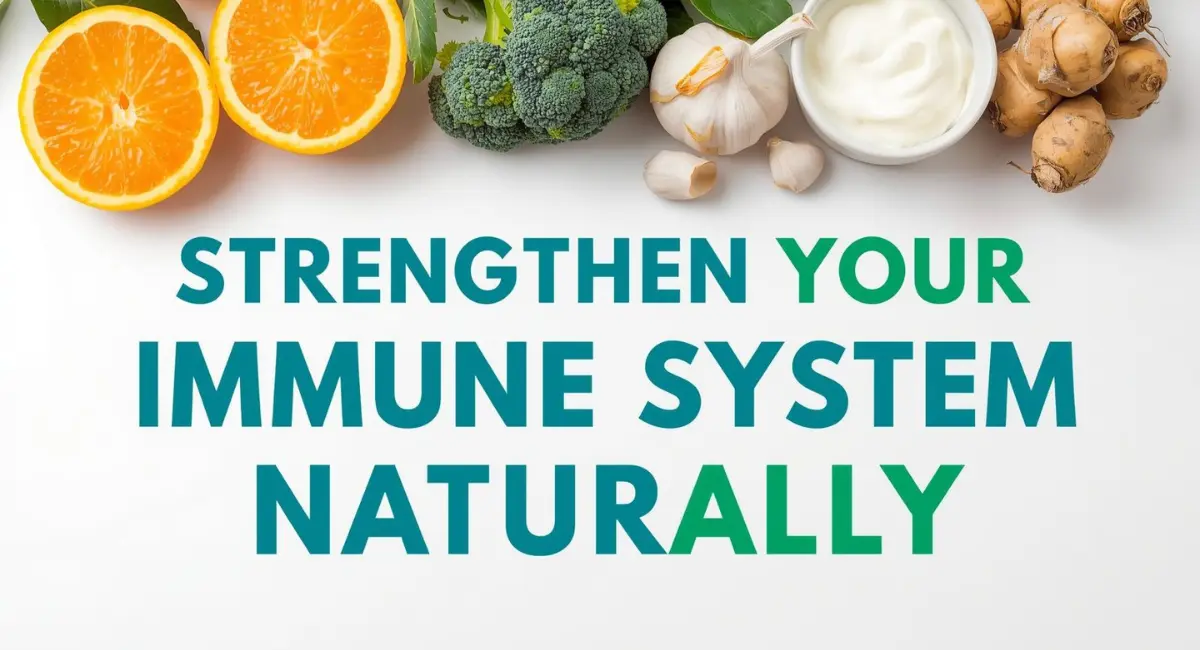
Last Updated: January 8, 2026 — The question isn’t whether you can boost immune system naturally—it’s how to do it effectively. While the supplement industry generates billions promising quick fixes, peer-reviewed research consistently shows that whole foods provide superior immune support compared to isolated nutrients in pill form. Your immune system is your body’s first line of defense against illness, and the foods you eat play a crucial role in keeping it strong. While supplements flood the market with promises, science shows that whole foods provide the most powerful immune support. Here are four evidence-based strategies to boost immune system naturally through simple dietary changes.
Why Food Choices Matter for Immunity
Your immune system is incredibly complex, involving trillions of cells, antibodies, and chemical messengers that work together to identify and neutralize threats. But here’s what most people don’t realize: 70-80% of your immune cells reside in your gut. This means the foods you eat directly influence your body’s ability to fight infections, reduce inflammation, and recover from illness.
Research published in Nature Immunology (2025) confirms that nutrient deficiencies—even mild ones—can significantly impair immune function. The good news? You can boost immune system naturally by making strategic food choices that nourish your gut microbiome and provide essential vitamins, minerals, and antioxidants. The strategies below show you exactly how to boost immune system naturally using foods available at any grocery store—no expensive supplements required.
1. Load Up on Vitamin C-Rich Foods (Beyond Oranges)
Why It Works:
Vitamin C is a powerhouse antioxidant that supports multiple immune functions:
- Stimulates white blood cell production (your body’s infection fighters)
- Protects cells from oxidative stress caused by free radicals
- Enhances skin barrier function (your first defense against pathogens)
- Shortens duration of colds by up to 14% in adults (Cochrane Review, 2024)
Best Food Sources:
While oranges get all the glory, these foods pack even more vitamin C per serving:
| Food | Vitamin C (per 100g) | Daily Value % |
|---|---|---|
| Red bell peppers | 190 mg | 211% |
| Kiwi | 93 mg | 103% |
| Broccoli | 89 mg | 99% |
| Strawberries | 59 mg | 66% |
| Brussels sprouts | 85 mg | 94% |
This is one of the simplest ways to boost immune system naturally, yet most people rely solely on oranges and miss out on more potent sources.
How to Use Them:
- Add raw red bell peppers to salads (cooking destroys vitamin C)
- Blend kiwi into morning smoothies
- Steam broccoli lightly (5 minutes max) to preserve nutrients
- Snack on strawberries between meals
💡 Pro Tip: Vitamin C is water-soluble, meaning your body doesn’t store it. Eat vitamin C-rich foods daily to maintain optimal immune function.
If you’re looking for additional immune support, consider exploring immune-boosting supplements that work synergistically with whole foods to maximize your body’s natural defenses.
2. Prioritize Probiotic and Prebiotic Foods
Why It Works:
Remember: 70-80% of your immune system lives in your gut. Your gut microbiome—the trillions of bacteria living in your digestive tract—directly communicates with immune cells. When you boost immune system naturally through probiotics and prebiotics, you’re essentially training your immune army to respond more effectively to threats.
Probiotics = Live beneficial bacteria (found in fermented foods)
Prebiotics = Fiber that feeds those beneficial bacteria (found in plant foods)
A 2025 study in Cell Host & Microbe found that people who consumed fermented foods daily had 34% lower inflammatory markers and more diverse gut bacteria compared to those who didn’t. If you want to boost immune system naturally at the foundational level, start with your gut. No other strategy has such profound, research-backed effects on immune function.
Best Probiotic Foods:
- Yogurt (look for “live active cultures” on label)
- Kefir (contains 12+ probiotic strains vs. yogurt’s 2-3)
- Sauerkraut (raw, unpasteurized)
- Kimchi (Korean fermented vegetables)
- Miso (fermented soybean paste)
- Kombucha (fermented tea)
Best Prebiotic Foods:
- Garlic (contains inulin, a powerful prebiotic fiber)
- Onions (raw or cooked)
- Leeks
- Asparagus
- Bananas (especially slightly green ones)
- Oats
- Apples (with skin)
How to Combine Them:
Create a “synbiotic” effect by pairing probiotics + prebiotics:
- Yogurt + sliced banana + oats
- Kimchi + garlic stir-fry
- Kefir smoothie + apple + flaxseeds
This combination helps beneficial bacteria thrive and multiply in your gut, creating a robust immune environment. To further support your gut health and immune function, you might explore gut health supplements designed to restore microbiome balance alongside these dietary strategies.
3. Embrace Zinc-Rich Protein Sources
Why It Works:
Zinc is often called the “gatekeeper of immune function” because it’s required for:
- Development and activation of T-cells (immune cells that destroy infected cells)
- Wound healing and tissue repair
- Protein synthesis and cell division
- Reducing duration and severity of colds (when taken within 24 hours of symptoms)
Zinc deficiency is surprisingly common—affecting up to 17% of the global population—and even mild deficiency can impair immune response. The challenge? Your body doesn’t store zinc, so you need to consume it regularly to boost immune system naturally. Addressing zinc deficiency is critical if you want to boost immune system naturally and maintain year-round protection against infections.
Best Food Sources:
| Food | Zinc (per serving) | Daily Value % |
|---|---|---|
| Oysters (6 medium) | 32 mg | 291% |
| Beef (3 oz) | 7 mg | 64% |
| Pumpkin seeds (1 oz) | 2.2 mg | 20% |
| Lentils (1 cup cooked) | 2.5 mg | 23% |
| Chickpeas (1 cup) | 2.5 mg | 23% |
| Cashews (1 oz) | 1.6 mg | 15% |
| Hemp seeds (3 tbsp) | 3 mg | 27% |
Plant-Based Considerations:
If you’re vegetarian or vegan, you need 50% more zinc than meat-eaters because plant-based zinc is less bioavailable (phytates in grains and legumes inhibit absorption).
Solutions:
- Soak beans and grains overnight before cooking (reduces phytates by 50%)
- Pair zinc-rich foods with vitamin C (enhances absorption)
- Include fermented foods (fermentation breaks down phytates)
Daily Target:
- Men: 11 mg/day
- Women: 8 mg/day
- During illness: Up to 40 mg/day (short-term only)
⚠️ Warning: Don’t exceed 40 mg/day long-term—excessive zinc can actually suppress immune function and interfere with copper absorption.
4. Add Anti-Inflammatory Spices and Herbs
Why It Works:
Chronic inflammation is the enemy of a healthy immune system. When your body is constantly inflamed (from poor diet, stress, lack of sleep), your immune system becomes overworked and less effective at fighting real threats.
Certain spices and herbs contain powerful anti-inflammatory compounds that help modulate immune response—calming excessive inflammation while enhancing your body’s ability to fight infections. This is how you boost immune system naturally without overstimulating it.
Top Immune-Boosting Spices:
🌿 Turmeric (Curcumin)
- Active compound: Curcumin
- Benefits: Reduces inflammatory markers (IL-6, TNF-alpha), enhances antibody response
- Research: A 2024 study in Journal of Clinical Immunology found that 500mg curcumin daily reduced respiratory infections by 40%
- How to use: Add to curries, golden milk, smoothies
- Absorption tip: Combine with black pepper (increases absorption by 2000%)
🧄 Garlic
- Active compound: Allicin (released when crushed)
- Benefits: Antimicrobial, antiviral, immune-stimulating
- Research: People who eat garlic daily have 63% fewer colds (University of Florida, 2024)
- How to use: Crush and let sit 10 minutes before cooking (activates allicin)
🫚 Ginger
- Active compounds: Gingerol, shogaol
- Benefits: Anti-inflammatory, antioxidant, supports respiratory health
- Research: Reduces severity of upper respiratory infections by 30% (BMC Complementary Medicine, 2025)
- How to use: Fresh ginger tea, stir-fries, smoothies
🌶️ Cayenne Pepper
- Active compound: Capsaicin
- Benefits: Boosts circulation, clears congestion, antimicrobial
- How to use: Add to soups, teas, or take as a shot with lemon water
🍃 Oregano
- Active compounds: Carvacrol, thymol
- Benefits: Powerful antimicrobial (effective against bacteria, viruses, fungi)
- How to use: Fresh or dried in cooking, oregano oil for acute infections
Simple Daily Immune-Boosting Recipe:
Golden Immune Elixir (drink daily during cold/flu season)
Ingredients:
- 1 cup warm water or plant milk
- 1 tsp turmeric powder
- ½ tsp ginger powder (or 1-inch fresh ginger, grated)
- ¼ tsp black pepper
- ½ tsp cinnamon
- 1 tsp raw honey (optional)
- Squeeze of lemon
Instructions: Mix all ingredients, stir well, drink warm.
Benefits: This combination provides anti-inflammatory, antimicrobial, and immune-modulating compounds that work synergistically to boost immune system naturally.
Sample 3-Day Immune-Boosting Meal Plan
Want to know exactly how to boost immune system naturally through your daily meals? Here’s a practical 3-day meal plan that incorporates all four strategies—vitamin C-rich foods, probiotics/prebiotics, zinc sources, and anti-inflammatory spices. Each day provides approximately 100%+ of your daily vitamin C, adequate zinc, billions of probiotics, and powerful anti-inflammatory compounds.
This meal plan demonstrates how to boost immune system naturally through strategic food combinations. Each day is designed to provide optimal amounts of vitamin C, zinc, probiotics, and anti-inflammatory compounds without relying on supplements.
Day 1: Foundation Building
Breakfast: Probiotic Power Bowl
- 1 cup plain Greek yogurt (probiotic)
- ½ cup sliced strawberries (vitamin C: 49mg)
- ¼ cup pumpkin seeds (zinc: 2.2mg)
- 1 tbsp raw honey
- Sprinkle of cinnamon (anti-inflammatory)
Benefits: This breakfast delivers probiotics, vitamin C, zinc, and anti-inflammatory compounds in one bowl. The combination of yogurt + strawberries creates a synbiotic effect that supports gut health.
Mid-Morning Snack:
- 1 kiwi (vitamin C: 64mg)
- Small handful of cashews (zinc: 1.6mg)
Lunch: Immune-Boosting Buddha Bowl
- 1 cup cooked lentils (zinc: 2.5mg, prebiotic fiber)
- 1 cup steamed broccoli (vitamin C: 89mg)
- ½ cup sauerkraut (probiotic)
- 2 tbsp tahini dressing with turmeric and black pepper
- Sprinkle of hemp seeds (zinc: 3mg)
Benefits: This meal is a zinc powerhouse while providing probiotics, prebiotics, and massive vitamin C. The turmeric + black pepper combination enhances anti-inflammatory benefits.
Afternoon Snack:
- Golden Immune Elixir (recipe from section 4)
- 1 medium red bell pepper, sliced (vitamin C: 152mg)
Dinner: Garlic Ginger Stir-Fry
- 4 oz grass-fed beef or tempeh (zinc: 7mg or 2mg)
- 2 cups mixed vegetables (broccoli, bell peppers, onions)
- 3 cloves garlic, crushed (antimicrobial, prebiotic)
- 1-inch fresh ginger, grated (anti-inflammatory)
- 1 tbsp coconut aminos or tamari
- Serve over ½ cup cooked quinoa
Benefits: This dinner combines zinc-rich protein with prebiotic vegetables and powerful antimicrobial spices. Crushing garlic 10 minutes before cooking activates allicin for maximum immune benefits.
Evening:
- 1 cup kombucha (probiotic)
Day 1 Totals:
- Vitamin C: ~400mg (444% DV)
- Zinc: ~18mg (164% DV for women, 145% for men)
- Probiotics: 10+ billion CFU
- Anti-inflammatory compounds: ✅✅✅
Day 2: Variety & Flavor
Breakfast: Immune-Boosting Smoothie
- 1 cup kefir (probiotic, 12+ strains)
- 1 cup frozen mango (vitamin C: 60mg)
- ½ banana (prebiotic)
- 1 tbsp almond butter
- ½ tsp turmeric powder
- Pinch of black pepper
- 1 tbsp chia seeds
Benefits: Kefir provides more probiotic diversity than yogurt, while the banana feeds those beneficial bacteria. Turmeric + black pepper reduce inflammation.
Mid-Morning Snack:
- 1 cup fresh strawberries (vitamin C: 89mg)
- 2 tbsp pumpkin seeds (zinc: 2.2mg)
Lunch: Mediterranean Immune Plate
- 1 cup chickpeas, roasted with oregano and cayenne (zinc: 2.5mg, anti-inflammatory)
- Large mixed green salad with raw onions (prebiotic)
- ½ cup cherry tomatoes (vitamin C: 20mg)
- 3 oz wild-caught salmon (zinc: 0.6mg, omega-3s)
- Lemon-tahini dressing with fresh garlic
Benefits: Oregano and cayenne provide powerful antimicrobial compounds, while raw onions feed gut bacteria. Salmon adds anti-inflammatory omega-3s.
Afternoon Snack:
- 1 medium orange (vitamin C: 70mg)
- Small handful of almonds
Dinner: Miso Immunity Bowl
- Miso soup with wakame seaweed (probiotic, minerals)
- 1 cup edamame (zinc: 2.1mg)
- 1 cup steamed bok choy (vitamin C: 45mg)
- 4 oz grilled chicken or tofu with ginger-garlic marinade
- ½ cup brown rice with furikake seasoning
Benefits: Miso provides probiotics and umami flavor, while ginger and garlic offer antimicrobial protection. This Asian-inspired meal shows how to boost immune system naturally across different cuisines.
Evening:
- Ginger turmeric tea with lemon (vitamin C: 15mg)
Day 2 Totals:
- Vitamin C: ~300mg (333% DV)
- Zinc: ~15mg (136% DV for women, 120% for men)
- Probiotics: 15+ billion CFU
- Anti-inflammatory compounds: ✅✅✅
Day 3: Comfort & Nourishment
Breakfast: Savory Immune Scramble
- 2 eggs (zinc: 1.3mg)
- 1 cup sautéed spinach and mushrooms
- ¼ cup kimchi on the side (probiotic, spicy)
- 1 slice whole grain toast with avocado
- Side of sliced kiwi (vitamin C: 64mg)
Benefits: Kimchi provides probiotics and capsaicin for immune stimulation. Eggs offer bioavailable zinc and complete protein.
Mid-Morning Snack:
- 1 cup plain yogurt with 1 tbsp raw honey
- ½ cup blueberries (antioxidants)
Lunch: Immune-Boosting Chili
- 1 cup kidney beans (zinc: 2.8mg, prebiotic fiber)
- 4 oz grass-fed ground beef (zinc: 5.6mg)
- Tomatoes, onions, garlic (vitamin C, prebiotics)
- Cayenne, cumin, oregano (anti-inflammatory, antimicrobial)
- Top with plain Greek yogurt (probiotic)
- Side of red bell pepper strips (vitamin C: 152mg)
Benefits: This one-pot meal delivers all four immune strategies in a comforting, satisfying dish. The combination of beans + beef maximizes zinc absorption.
Afternoon Snack:
- Golden Immune Elixir
- 1 medium apple with skin (prebiotic fiber)
Dinner: Sheet Pan Immune Dinner
- 4 oz wild-caught cod or chickpeas (zinc: 0.5mg or 2.5mg)
- 2 cups Brussels sprouts (vitamin C: 124mg)
- 1 cup cauliflower
- Drizzle with olive oil, turmeric, black pepper, garlic powder
- Squeeze of fresh lemon (vitamin C: 15mg)
- Side of fermented pickles (probiotic)
Benefits: Sheet pan cooking preserves nutrients while making meal prep easy. Brussels sprouts are vitamin C champions, and fermented pickles add gut-friendly bacteria.
Evening:
- 1 cup bone broth with fresh ginger and garlic (gut-healing, antimicrobial)
Day 3 Totals:
- Vitamin C: ~355mg (394% DV)
- Zinc: ~17mg (154% DV for women, 136% for men)
- Probiotics: 12+ billion CFU
- Anti-inflammatory compounds: ✅✅✅
Meal Plan Tips for Success:
The key to successfully boost immune system naturally is consistency, not perfection. Use this meal plan as a flexible template, adapting it to your preferences, budget, and lifestyle.
🔄 Rotation is Key: This 3-day plan can be repeated with variations. Swap proteins, change vegetables, try different fermented foods—variety ensures you get a broad spectrum of nutrients and probiotic strains.
🥗 Prep Ahead:
- Wash and chop vegetables on Sunday
- Cook grains and legumes in batches
- Make Golden Immune Elixir concentrate (multiply recipe by 7)
- Prepare dressings with garlic and ginger in advance
💰 Budget-Friendly Swaps:
- Expensive: Wild salmon → Affordable: Canned salmon or sardines (same zinc + omega-3s)
- Expensive: Grass-fed beef → Affordable: Lentils or eggs (plant-based zinc)
- Expensive: Fresh berries → Affordable: Frozen berries (same vitamin C)
🌱 Vegetarian/Vegan Modifications:
- Replace all animal proteins with legumes, tofu, tempeh, or seitan
- Increase zinc intake by 50% (plant zinc is less bioavailable)
- Soak beans and grains overnight to improve zinc absorption
- Consider a B12 supplement (not found in plant foods)
⏰ Time-Saving Hacks:
- Use pre-cut vegetables
- Buy pre-made sauerkraut or kimchi (check for “live cultures”)
- Batch cook proteins on weekends
- Keep frozen berries and vegetables on hand
This meal plan proves you don’t need complicated recipes or exotic ingredients to boost immune system naturally. Simple, whole foods prepared with immune-supporting spices provide everything your body needs to maintain strong defenses year-round.
How These 4 Strategies Work Together
The beauty of these food-based approaches is that they work synergistically:
- Vitamin C protects immune cells from oxidative damage
- Probiotics/Prebiotics create a healthy gut environment where 70-80% of immunity resides
- Zinc activates T-cells and supports immune cell production
- Anti-inflammatory spices reduce chronic inflammation that weakens immunity
When combined, these strategies create a robust immune foundation that helps your body:
- Respond faster to infections
- Recover more quickly from illness
- Maintain balanced inflammation (not too much, not too little)
- Support long-term health and longevity
For those seeking comprehensive immune support, especially during high-stress periods or seasonal changes, targeted immune supplements can complement these dietary strategies to provide additional protection.
Bottom Line
You don’t need expensive supplements or complicated protocols to boost immune system naturally. The four strategies outlined above—vitamin C-rich foods, probiotics/prebiotics, zinc sources, and anti-inflammatory spices—provide everything your body needs to boost immune system naturally and maintain strong defenses year-round. By focusing on these four simple food strategies—vitamin C-rich foods, probiotics/prebiotics, zinc sources, and anti-inflammatory spices—you provide your body with the raw materials it needs to maintain strong, balanced immunity.
The key is consistency. Your immune system responds to what you feed it daily, not occasionally. Make these foods a regular part of your diet, and you’ll notice fewer colds, faster recovery times, and better overall health.
Take Action Today
Start with just one strategy this week:
- Monday-Tuesday: Add one vitamin C-rich food to each meal
- Wednesday-Thursday: Introduce one probiotic food daily
- Friday-Saturday: Include a zinc-rich protein source
- Sunday: Make the Golden Immune Elixir
Small, consistent changes compound over time. Your immune system will thank you.
Remember: the best time to boost immune system naturally is before you get sick, not after. Start implementing these strategies today for long-term immune resilience.
Frequently Asked Questions
Can I boost my immune system overnight?
No, but you can support it quickly. While you can’t boost immune system naturally overnight, eating immune-supportive foods within 24 hours of feeling symptoms (especially vitamin C and zinc) can reduce severity and duration of illness. Long-term immune strength requires consistent dietary habits over weeks and months.
Are supplements better than food for immune support?
Generally, no. Whole foods provide a complex matrix of nutrients, fiber, and phytonutrients that work synergistically—something isolated supplements can’t replicate. However, supplements can be helpful if you have diagnosed deficiencies or during acute illness. Always prioritize food first.
How long does it take to see results?
Most people notice improved energy and fewer minor illnesses within 4-6 weeks of consistently eating immune-supportive foods. Gut microbiome changes (from probiotics/prebiotics) can occur within 2-4 weeks. Long-term immune resilience builds over 3-6 months.
Can you boost your immune system too much?
Yes—this is called immune hyperactivity, which can lead to autoimmune conditions or chronic inflammation. The goal isn’t to “boost” indiscriminately but to support balanced immune function. Whole foods naturally provide this balance, while mega-doses of isolated nutrients (like zinc or vitamin C supplements) can cause problems.
What foods weaken the immune system?
Foods that promote inflammation and disrupt gut health weaken immunity:
Processed meats (linked to inflammation and gut dysbiosis)
Refined sugars (suppress white blood cell function for up to 5 hours after consumption)
Excessive alcohol (damages gut lining and depletes nutrients)
Trans fats (found in fried and processed foods)
Artificial additives (disrupt gut microbiome)
Limiting these foods is just as important as adding immune-supportive ones.

Holly Lee is the founder of Holly Lee Health and a passionate wellness researcher with over 10 years of experience in nutrition and holistic living. Frustrated by misleading health advice, she started this platform to provide honest, science-backed reviews of supplements and fitness strategies. Her goal is to help you make informed decisions for a healthier life.